


|
project,economics,and cost management |
|
Education and Consulting |
|
Costing & cost management |


|
E-mail: Mort@Anvari.Net |
|
Cost Management 101
|

|
Ch |
|
|
1 |
|
|
2 |
|
|
3 |
|
|
4 |
|
|
5 |
|
|
6 |
|
|
7 |
|
|
8 |
|
|
9 |
|
|
10 |
|
|
11 |
|
|
12 |
|
|
13 |
|
|
14 |
|
|
15 |
|
|
16 |
|
|
17 |
|
|
18 |
|
|
19 |
|
|
20 |
|
|
21 |
|
Ch |
|
|
1 |
|
|
2 |
|
|
3 |
|
|
4 |
|
|
5 |
|
|
6 |
|
|
7 |
|
|
8 |
|
|
9 |
|
|
10 |
|
|
11 |
|
|
12 |
|
|
13 |
|
|
14 |
|
This course provides an explanation to the determination, development, and uses of internal accounting information needed by business management to satisfy customers in conjunction with continuous cost control. This course examines basic principles of cost management and other related issues such as manager performance evaluation, management activity and process, and applications of activity-based costing and just in time manufacturing. Topics include contemporary cost accounting; activity based management; strategic cost management; capital investment decision; pricing and revenue analysis; and balanced scorecard. The aim of this course is to prepare students with comprehensive understanding on the benefits of cost management in managing corporate organizations. |
|
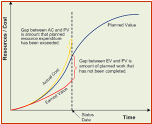
"Cost Management" gives project managers basic tools for predicting, monitoring and adjusting project schedules and budgets. At its conclusion, learners can expect to understand how to: · Calculate a cost performance index (CPI) · Calculate a schedule performance index (SPI) · Calculate estimated costs at completion (EAC), using the most appropriate method · Allocate cost to products, processes, and activities · Develop process improvement initiatives
|
|
Content |
|
"Cost Management" places basic cost management tools within the grasp of nearly any project manager. Each skill sequence builds on the one before. Using clear explanations and providing ample practice, this course makes learning when and how to use cost management calculations and indices as uncomplicated as possible. The supplemental course materials are designed for the entire series. The glossary extends beyond the terms used in this module. New terms in the text are linked to the glossary, or users can go to the glossary to look up terms by scrolling or using the alphabetical index. The resources section is a treasure trove of brief articles on a variety of management topics. Overall, for managers new to cost management methodologies, this course should prove useful, regardless of the number of zeroes and commas in their project budgets. |
|
Value |
|
If these cost management tools aren't already in your project management toolkit, this course is an efficient and cost-effective way to acquire them. The time and money spent are likely to be repaid many times over the first time you apply these methods to a real-life project. |